
Blog
Viking Battle Axes: History and Key Facts

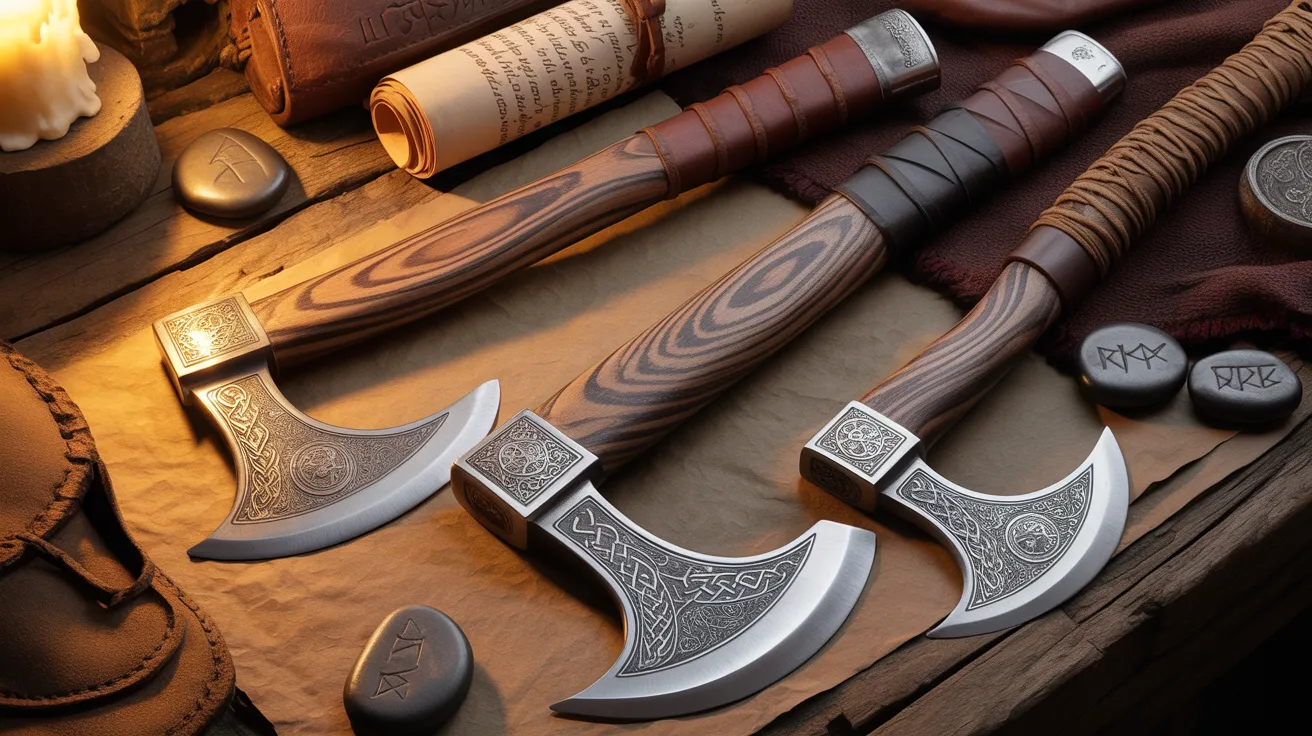
The Viking Age (793–1066 CE) is synonymous with fearless warriors, epic voyages, and a tool that struck both fear and awe: the Viking battle axe. From its robust design to its practical versatility, the Viking axe was more than just a it was a symbol of strength and craftsmanship. This article explores the history, types, and cultural significance of Viking battle axes, tailored for enthusiasts of history and ancient cultures. At Swordskingdom UK, we honour this legendary heritage by sharing in-depth knowledge and appreciation for authentic Viking-inspired craftsmanship.
The History of Viking Battle Axes:
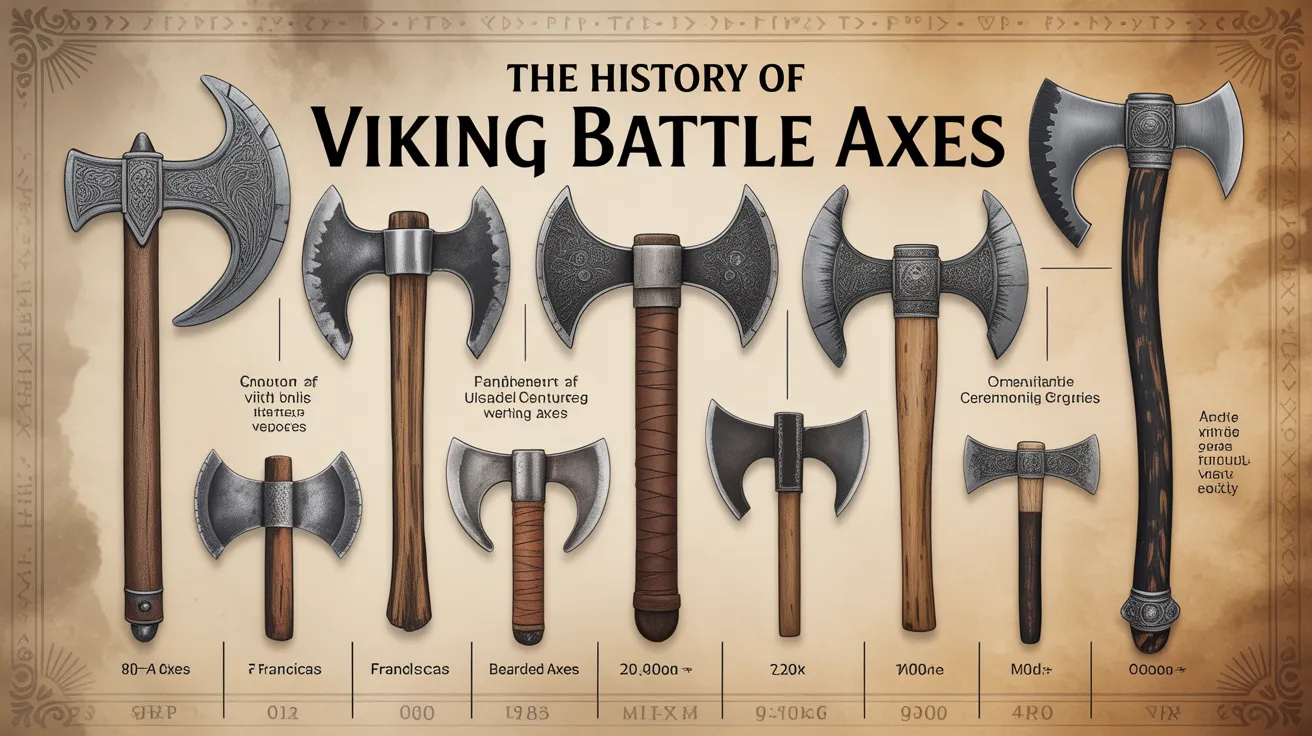
The historical Viking battle axe is a symbol of the Scandinavians, who entered history with ordinary tools. During the fighting, the Vikings sailing throughout Europe and even beyond preferred axes owing to their effectiveness and convenience. While swords were costly and reserved for nobles, axes were more affordable and commonly wielded by ordinary soldiers. We also offer the Viking Sword of King Ragnar Lothbrok.
- Origins: The earliest Viking axes were simple and functional, inspired by farming tools. Over time, they evolved into more specialised designs for combat.
- Battle Significance: The Viking battle axe symbolised the warrior’s prowess. Axes were wielded in battles, raids, and personal duels, becoming a hallmark of Norse warfare.
- Cultural Symbolism: Beyond battle, axes were often buried with their owners, signifying honour and status in the afterlife.
Types of Viking Axes:
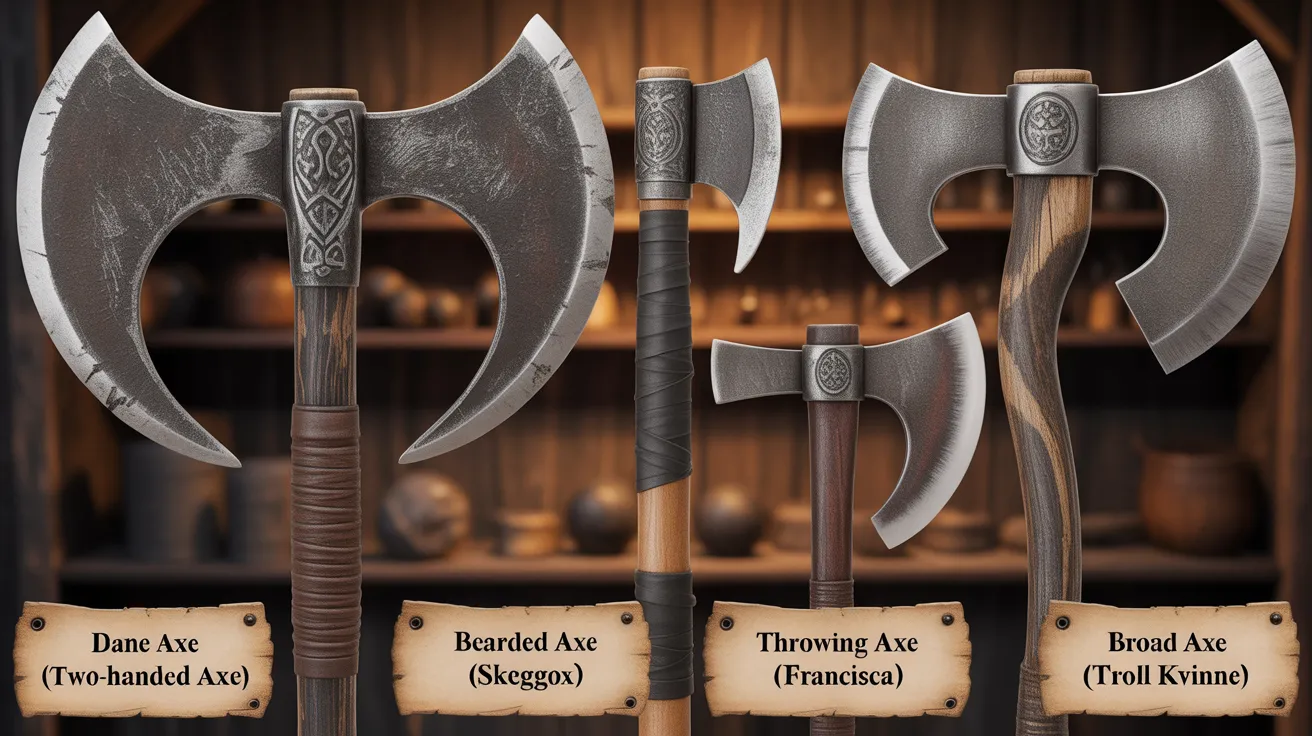
Viking axes were not one size fits all. They varied in design, size, and purpose, reflecting the diverse needs of Viking warriors. Below are the key types of Viking axes:
1. Dane Axe (Two-Handed Axe)
- Description: Characterised by a long handle and a wide blade, the Dane axe was a powerful two-handed sword.
- Purpose: Ideal for large-scale battles, it delivered devastating blows from a distance.
- Usage: Popular among elite warriors and huscarls (royal bodyguards).
2. Bearded Axe (Skeggox)
- Description: The “beard” design extended the blade’s lower edge, creating a hook-like appearance.
- Purpose: Bearded Axe is perfect for hooking shields or swords, as well as for precise cuts in combat.
- Usage: Known for its versatility, it was also used for woodworking.
3. Throwing Axe (Francisca):
- Description: A lightweight axe designed for throwing during skirmishes.
- Purpose: Effective at disarming or injuring enemies before close combat.
- Usage: Though not uniquely Viking, it was adopted for its practicality.
4. Broad Axe (Troll Kvinne):
- Description: A large axe with a wide, curved blade, often used ceremonially or for executions.
- Purpose: Primarily used for symbolic purposes or specialised tasks.
- Usage: Less common in battles but notable in Viking iconography.
Historical Battles and the Role of Axes:
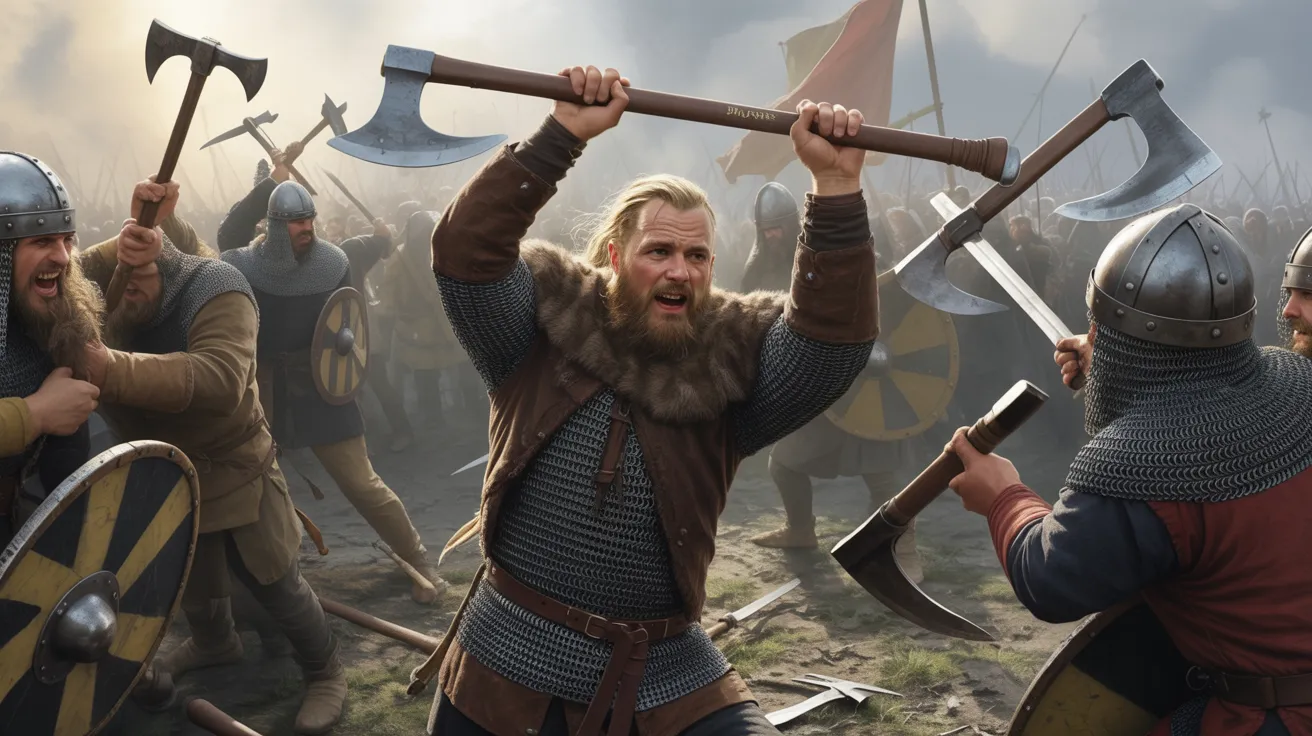
Viking axes played a crucial role in many historical conflicts, showcasing their effectiveness on the battlefield.
- The Battle of Stamford Bridge (1066): Legendary accounts describe a lone Viking wielding a Dane axe, holding off an entire army on a bridge.
- Raids Across Europe: From monasteries in England to settlements in France, axes were a favoured sword in Viking raids due to their portability and power.
Viking Axe Craftsmanship and Design:
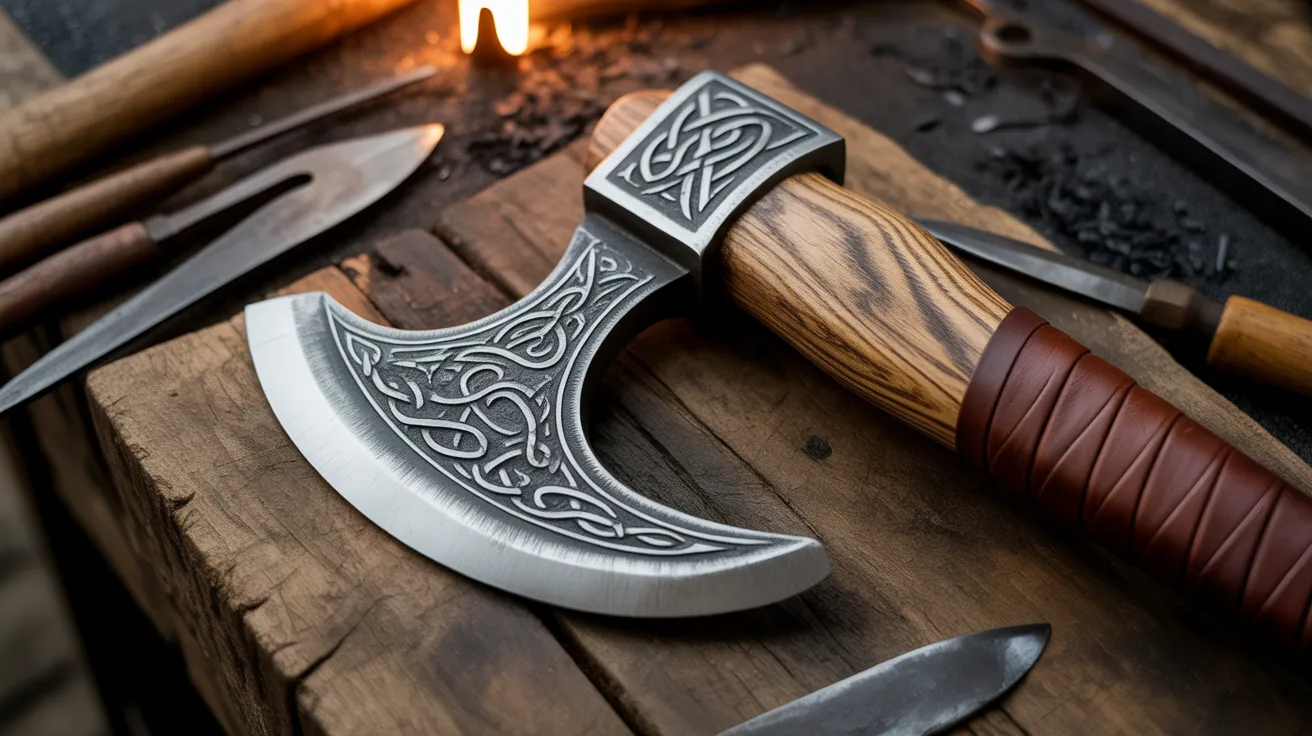
Axes were a testament to the craftsmanship of Norse blacksmiths.
- Materials: Axes were typically made of iron, with steel edges for enhanced sharpness. Handles were crafted from durable woods like ash.
- Ornamentation: Wealthier Vikings often adorned their axes with intricate
- carvings and inlays, reflecting their status.
- Balance and Efficiency: Axes were lightweight and balanced, allowing for swift movements in combat.
Legacy of Viking Axes:
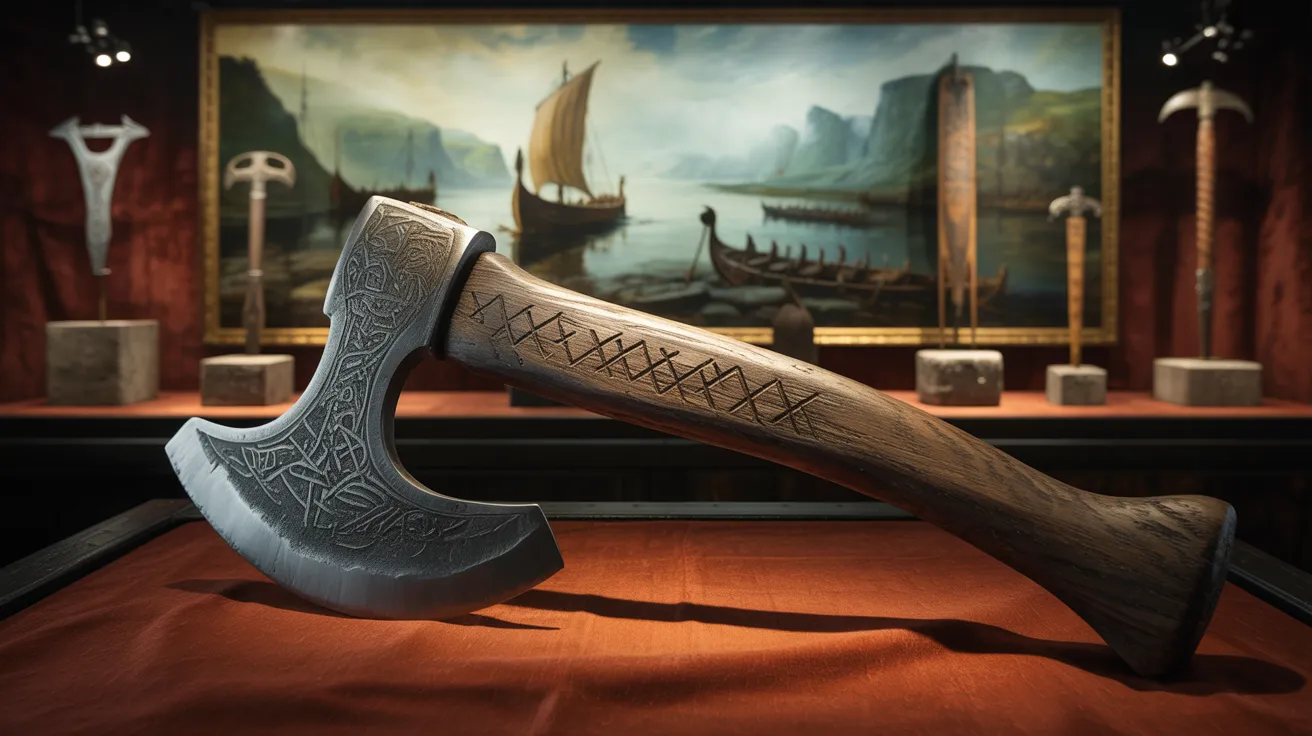
The Viking axe remains a symbol of Norse heritage and warrior culture. Today, replicas are popular among historians, reenactors, and collectors. Their influence extends into modern media, where they feature prominently in depictions of Viking life.
Conclusion:
The Viking battle axe not only served as the primary weapon used by Vikings in combat but also showcased the power, mastery, and expertise of the Norsemen. Expedition and, more often, even in peaceful times, through all spheres, these axes influenced the formation of the Viking world and its descendants. If you have been interested in the history of warfare or even the elegant creations of swords, Viking axes are a perfect embodiment of an epoch.